Interior Cladding Installation in Wilmington, NC
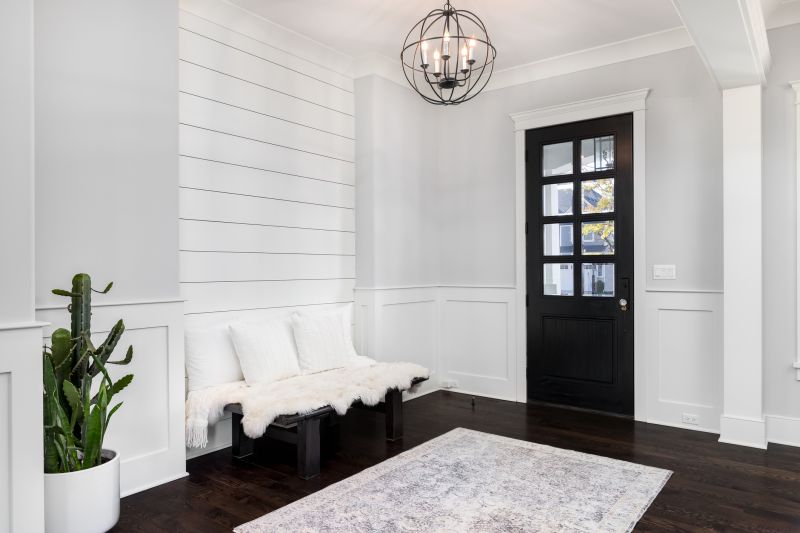
Interior cladding installation involves adding decorative or protective material to interior walls and surfaces, enhancing both the appearance and durability of a space. This service covers a variety of projects, including updating living rooms, bedrooms, kitchens, bathrooms, or commercial interiors. Property owners often seek interior cladding to improve insulation, conceal imperfections, or introduce new textures and styles that complement existing decor.
Before requesting interior cladding installation, homeowners typically want to understand the different types of materials available, such as wood, vinyl, metal, or composite panels, and how each suits their specific project needs. It’s also helpful to consider the scope of the work, including wall preparation, surface conditions, and any potential disruptions during installation. Clarifying these details can ensure the project aligns with aesthetic goals and functional requirements.
Many property owners in Wilmington, NC look into Interior Cladding Installation for repairs, replacements, upgrades, and appearance-related improvements.
Enhancing Interior Aesthetics
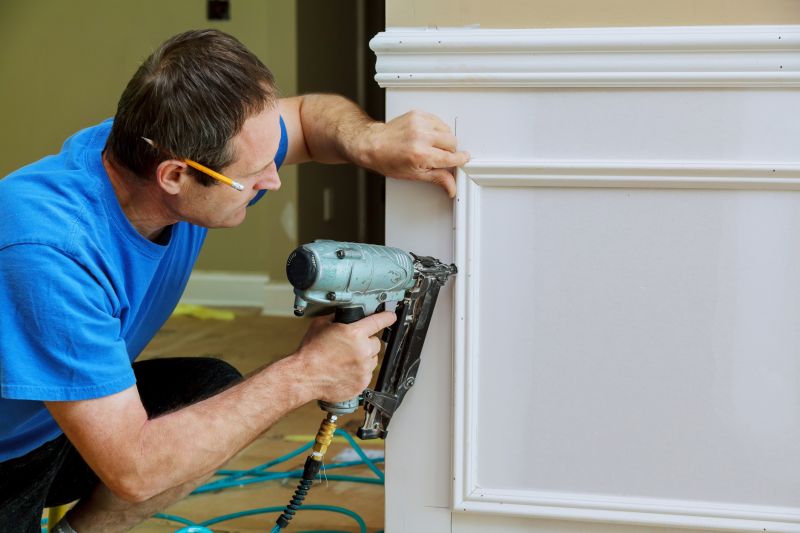
Interior cladding can transform the look and feel of residential and commercial spaces in wilmington, nc.
Improving Durability And Maintenance
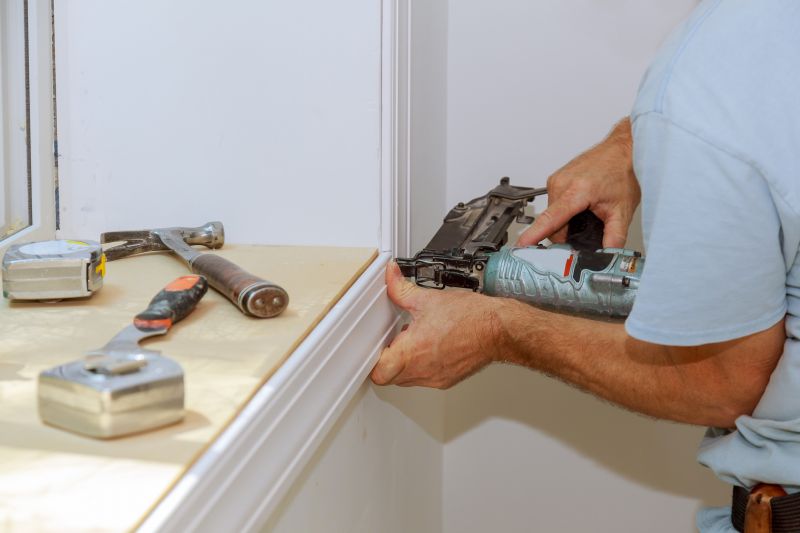
High-quality cladding materials offer increased protection and easier upkeep for interior walls and surfaces.
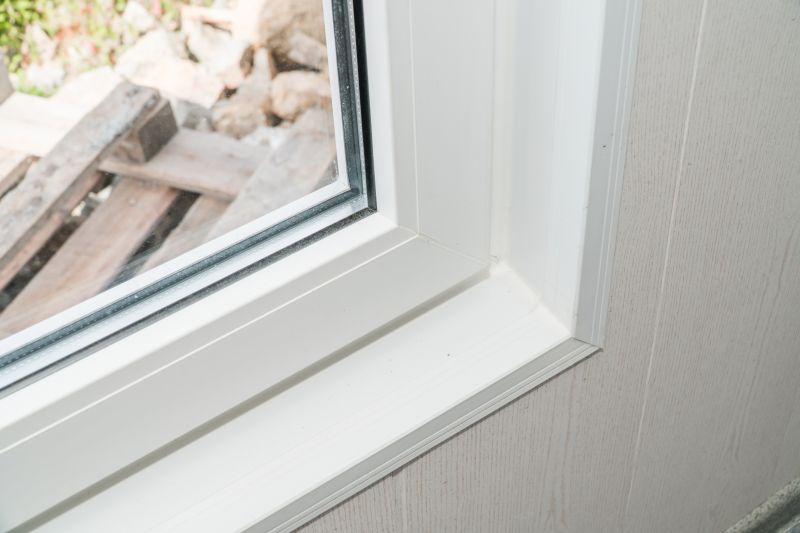
Customization And Design Options
A variety of textures, colors, and finishes allow property owners to achieve their desired interior style.
Interior Cladding Installation in Wilmington, NC
Interior cladding installation involves adding decorative or protective material to interior walls and surfaces, enhancing both the appearance and durability of a space. This service covers a variety of projects, including updating living rooms, bedrooms, kitchens, bathrooms, or commercial interiors. Property owners often seek interior cladding to improve insulation, conceal imperfections, or introduce new textures and styles that complement existing decor.
Before requesting interior cladding installation, homeowners typically want to understand the different types of materials available, such as wood, vinyl, metal, or composite panels, and how each suits their specific project needs. It’s also helpful to consider the scope of the work, including wall preparation, surface conditions, and any potential disruptions during installation. Clarifying these details can ensure the project aligns with aesthetic goals and functional requirements.
Many property owners in Wilmington, NC look into Interior Cladding Installation for repairs, replacements, upgrades, and appearance-related improvements.
Common Interior Cladding Installation Jobs
Interior wall cladding - enhances room aesthetics and provides additional insulation.
Feature wall installation - creates focal points in living rooms, bedrooms, or hallways.
Bathroom and kitchen cladding - offers moisture-resistant surfaces suitable for high-humidity areas.
Ceiling cladding - improves room acoustics and adds decorative appeal to ceilings.
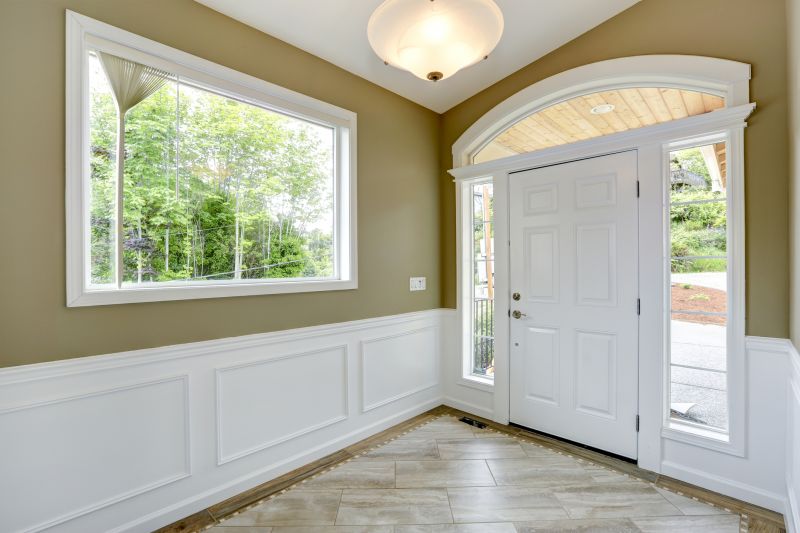
Custom interior paneling - adds texture and style to residential interiors with various materials.
Renovation cladding upgrades - refreshes outdated spaces with modern, durable finishes.

Interior Cladding Installation Questions
What types of materials are used for interior cladding? Common options include wood, vinyl, metal, and composite panels, each offering different aesthetic and durability benefits.
Can interior cladding be installed in existing rooms? Yes, interior cladding can be added to walls in existing spaces to enhance appearance and protect surfaces.
Is interior cladding suitable for all rooms? Interior cladding is versatile and can be used in living rooms, bedrooms, offices, and other interior areas.
What are the benefits of installing interior cladding? It improves interior aesthetics, provides additional insulation, and protects walls from damage.
Request Interior Cladding Installation in Wilmington, NC
Use the quote form on this page to share the basics of your project and request more information for the type of work you need.